How much does it cost to live in Italy as an international student in 2026
Living as an international student in 2026 requires careful budget planning, especially considering inflation and the rising cost of rent in major university cities. Despite this, Italy continues to be one of the most affordable European countries for those who want to pursue a high-quality academic path.

Thanks to low university fees, affordable public transport, and numerous benefits for international students, Italy ranks as one of the most attractive countries in Europe for those who want to pursue a high-quality academic path.
This guide, written in an informative style and SEO-optimized, provides a complete and updated overview for 2026 of the real cost of student life in Italy: accommodation, food, transport, healthcare, phone plans, and daily expenses.
hide
hide
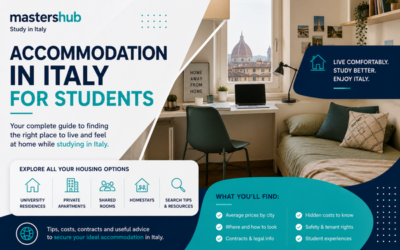
Accommodation in Italy in 2026
The cost of accommodation remains the highest expense for international students. In 2026, rents have slightly increased, especially in large cities.
➤ Single rooms in shared apartments
Large cities such as Milan, Rome, Bologna, and Florence: €500–700/month
Medium university cities (Padua, Turin, Pisa, Pavia, Perugia): €350–550/month
Small cities: €280–450/month
➤ University residences (2026)
Prices remain lower than the private market.
Double room: €220–370/month
Single room: €320–480/month
Demand in 2026 increased by 10–15% compared to the previous year, making it necessary to apply for regional housing calls early (DSU, ERSU, ADISU).
➤ Private studio apartments
Large cities: €550–1,000/month
Medium cities: €400–650/month
Food and groceries in 2026
Food prices slightly increased in 2025–2026, affecting the monthly budget.
Average monthly grocery cost in 2026
€200–300, by cooking at home and alternating with the university cafeteria.
Updated average prices:
Pasta: €1.30–2.20
Bread: €2.50–3.50
White meat: €7–10/kg
Fruit and vegetables: €2.50–4.50/kg
Milk: €1.40–1.70
Eating out in 2026
University cafeteria: €5–8.50 per meal
Pizzeria / cheap trattoria: €12–18
Mid-range restaurant: €22–38
Public transport in 2026
Transport costs remain stable, with slight regional variations.
Student transport passes (2026):
- Milan: €22–42
- Rome: €19
- Bologna: €30–36
- Other university cities: €15–25
Many students, especially in cities like Bologna, Pisa, and Padua, continue to move mainly on foot or by bicycle.
University fees in 2026
In 2026, Italian universities maintain a competitive and accessible tuition system.
Public universities
Annual average: €900–2,600
STEM or Medicine programs: €1,700–3,700
Financial aid: ISEE exemptions, merit-based reductions, regional scholarships
Private universities
€6,000–20,000 per year, also in 2026, with possible increases for Medicine and Business programs
Online universities (recognized by MIUR)
€2,000–4,000 per year, with flexible models increasingly appreciated by international students
Healthcare and insurance in 2026
Non-EU students must maintain valid health insurance coverage.
➤ SSN – National Health Service
Updated cost 2026: €149.77 per year
➤ Private health insurance
€150–350 per year, depending on the coverage required
Phone plans and Internet in 2026
The Italian market remains one of the cheapest in Europe.
Updated costs:
Mobile plans (70–150 GB): €6–12/month
Home fiber Internet: €22–32/month (shared among roommates)
Personal expenses, study, and leisure in 2026
Daily activities involve variable expenses:
- Gym: €25–55/month
- Cinema: €8–10
- Aperitivo: €10–13
- Books and study materials: €20–40/month
- Regional travel: €10–28
A realistic estimate for 2026 for leisure and extra expenses is €80–150/month.
For updated information on entry procedures, pre-enrollment through Universitaly, and ministerial regulations for international students, you can also visit the official website of the Ministry of University and Research.
In 2026, living in Italy as an international student remains an affordable and advantageous option, with a total monthly cost between €750 and €1,400, depending on the city, type of accommodation, and lifestyle. Although there has been a slight increase compared to previous years, Italy continues to stand out for the balance between quality education, cultural richness, and moderate costs. With careful planning and by taking advantage of available benefits, every international student can enjoy a rewarding and sustainable academic experience.