How to Become a Nutritionist: A Complete Guide to Navigating the Profession
In recent years, the role of the nutritionist has become central in the world of health and wellness. More and more people are turning to professionals who can provide science-based guidance on diet, nutritional balance, and disease prevention.
But how do you become a nutritionist in Italy? What degree do you need, and which training paths are best suited for this career?
In this comprehensive guide, we’ll walk you through everything step by step: the differences between nutritionists and dietitians, the academic requirements, the main university programs available, and the most in-demand specializations, such as sports nutrition or pediatric nutrition.
What Does a Nutritionist Do
A nutritionist is an expert in food science and human nutrition. Their main task is to assess the nutritional status of patients, develop personalized meal plans, and promote a healthy lifestyle based on scientific evidence.
The main duties of a nutritionist include:
-
Assessing individual energy and nutritional needs;
-
Analyzing eating habits and suggesting improvements;
-
Designing balanced diets for healthy individuals or those with specific needs;
-
Collaborating with doctors, dietitians, and psychologists in multidisciplinary teams;
-
Conducting nutrition education activities in schools, companies, or sports centers.
Contrary to popular belief, a nutritionist does not prescribe medication (unless they are also a medical doctor) but focuses instead on a preventive and behavioral approach to food.
Difference Between a Nutritionist and a Dietitian
The terms nutritionist, dietitian, and dietologist are often used interchangeably, but they refer to distinct professions with different educational backgrounds and legal responsibilities.
Here are the main differences:
Turn horizontally to view the entire table.
| Profession | Required Qualification | Professional Registration | What They Can Do |
|---|---|---|---|
| Nutritionist | Master’s Degree in Biology or Nutrition Sciences | Yes, Order of Biologists | Can develop dietary plans for healthy individuals or for patients with conditions certified by a doctor |
| Dietitian | Bachelor’s Degree in Dietetics (L/SNT3) | Yes, TSRM and PSTRP Board | Can create diets based on medical prescriptions and work in healthcare facilities |
| Dietologist | Degree in Medicine and Surgery + Specialization in Food Science | Yes, Medical Association | Can prescribe diets and medications, and clinically treat eating disorders |
In summary:
-
The nutritionist is a biologist specialized in nutrition.
-
The dietitian is a qualified healthcare technician.
-
The dietologist is a medical doctor with a specialization in nutrition.
How to Become a Nutritionist
1. Bachelor’s Degree
To become a nutritionist in Italy, you must complete a scientific university program. The first step is to earn a three-year bachelor’s degree in one of the following fields:
-
Biological Sciences (L-13)
-
Food Science and Technology (L-26)
-
Biotechnology (L-2)
2. Master’s Degree
After the bachelor’s degree, you need to obtain a qualifying master’s degree, usually in:
-
Biology of Nutrition (LM-6)
-
Human Nutrition Sciences (LM-61)
3. State Examination and Professional Registration
To practice legally as a nutritionist, you must pass the State Examination for Biologists and register with the National Order of Biologists (ONB), section A.
Only with this registration can you professionally and independently develop personalized meal plans.
4. Master’s and Advanced Training Courses
Many graduates choose to continue with a master’s program in human, sports, or clinical nutrition to further specialize.
Italian universities offer a wide range of options, including online and blended programs, allowing students to balance study and work.
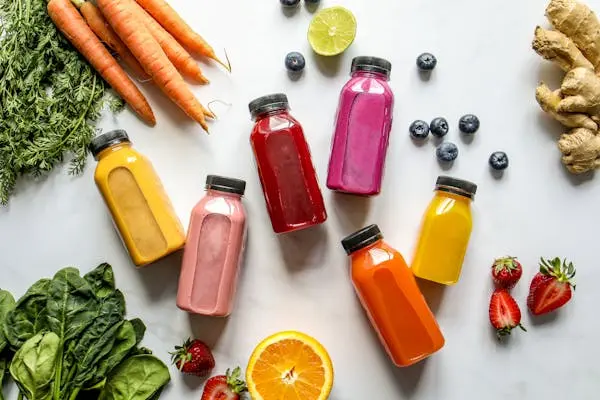
Overview of the main Italian universities offering nutrition courses
Below is a summary of Italian universities—both traditional and online—that offer bachelor’s or master’s degrees to become a nutritionist.
Turn horizontally to view the entire table.
| University | Recommended Program | Type | Duration | Mode | Official Website |
|---|---|---|---|---|---|
| Università degli Studi di Roma “La Sapienza” | Human Nutrition Sciences (LM-61) | Master’s Degree | 2 years | On campus | uniroma1.it |
| Università di Bologna | Biology of Nutrition | Master’s Degree | 2 years | On campus | unibo.it |
| Università San Raffaele Roma | Human Nutrition Sciences | Online Master’s Degree | 2 years | Online | uniroma5.it |
| Università Telematica eCampus | Nutrition and Health Sciences | Bachelor’s Degree | 3 years | Online | uniecampus.it |
| Università Niccolò Cusano (Unicusano) | Human Nutrition Sciences | Master’s Degree | 2 years | Online / Blended | unicusano.it |
| Università di Milano | Applied Biology to Nutritional Sciences | Master’s Degree | 2 years | On campus | unimi.it |
What Degree Do You Need to Become a Nutritionist
To become a nutritionist in Italy, not just any degree is sufficient — you need a specific academic qualification recognized by the MIUR (Italian Ministry of Education) and registration in the professional board.
Here is the typical educational path:
-
Bachelor’s degree in Biological Sciences (L-13) or related disciplines;
-
Master’s degree in Biology of Nutrition or Human Nutrition Sciences (LM-6 or LM-61);
-
Mandatory practical internship;
-
State Examination for qualification as a nutritionist biologist;
-
Registration in the National Order of Biologists (Section A).
With this pathway, professionals can legally work in private practices, public institutions, or as corporate consultants.
How to Become a Sports Nutritionist
A sports nutritionist is responsible for planning tailored diets aimed at improving athletic performance, promoting physical recovery, and preventing injuries.
To specialize in this field, in addition to completing the basic educational path, it is recommended to:
-
Enroll in a master’s program in sports nutrition or food sciences for sports;
-
Collaborate with sports clubs or fitness centers;
-
Study topics related to exercise physiology and nutritional supplementation.
Some of the most well-known programs in Italy include:
-
Master’s in Nutrition and Dietetics Applied to Sports – University of Pavia;
-
Master’s in Nutrition and Wellness – eCampus University;
-
Master’s in Sports Nutrition – University of Turin.
How to Become a Pediatric Nutritionist
A pediatric nutritionist is a professional who works with children and adolescents, addressing issues such as growth, food intolerances, and childhood obesity.
After obtaining a degree and professional certification, you can:
-
Enroll in a master’s program or advanced course in pediatric nutrition;
-
Collaborate with pediatricians, schools, or nutrition education centers;
-
Deepen your knowledge of child psychology and nutritional development.
This specialization is increasingly in demand, especially in the fields of prevention and nutrition education within schools.
How to Become an Online Nutritionist
With the rise of distance learning, it is now possible to complete most of the educational path entirely online.
MIUR-recognized online universities such as Unicusano, eCampus, San Raffaele Roma, and Mercatorum offer degree programs to become a nutritionist through fully digital learning platforms.
The main advantages include:
-
Flexible schedules and on-demand lessons;
-
The ability to balance study and work;
-
Personalized academic tutoring and support;
-
A nationally recognized qualification.
Many students also choose to enroll in online master’s programs in human nutrition, optimizing both time and costs without compromising the quality of education.
How Much Does a Nutritionist Earn in Italy?
A nutritionist’s income varies depending on experience, geographic location, and the type of work performed.
Here are some general estimates:
-
Recent graduate or intern: €800–€1,200 per month;
-
Professional with a private practice: €1,500–€3,000 per month;
-
Corporate or high-level sports consultant: over €4,000 per month;
-
Lecturer or trainer in nutrition: variable compensation depending on projects.
Many nutritionists choose to combine clinical practice with online education, offering web-based consultations, courses, or personalized digital nutrition plans — a rapidly growing sector.
Becoming a nutritionist means entering a profession that combines science, wellness, and a passion for food.
The path requires academic commitment, continuous learning, and strong motivation, but it also offers broad career opportunities — from private practice to research, from sports to education.
Whether you choose to study at a traditional or an online university, the key is to select a recognized program and build solid scientific foundations.
With the right preparation and dedication, you can become a nutritionist capable of improving people’s quality of life — one meal at a time.
Potrebbero Interessarti Anche
Masters in Marketing in Milan: Strategic Excellence for Global Success
MASTERSHUB — LAYOUT MASTERS v2 Divi Code Module · max-width 1400px · mobile-ready · SEO...
Master’s Degree in Healthcare Management in Milan
MASTERSHUB — LAYOUT MASTERS v2 Divi Code Module · max-width 1400px · mobile-ready · SEO...
Master in Architecture in Florence
MASTERSHUB — LAYOUT MASTERS v2 Divi Code Module · max-width 1400px · mobile-ready · SEO...